 (Image via
When you think of Japan, you may imagine its bustling cities and immersion in the culture. If it's your first time in the country, you should hit all these important spots, but there are a few more hidden destinations that should be on your list for after. You could be flying down a woodland trail on two wheels, Mount Fuji looming in the background. Afterward, you're sinking into a warm, mineral-rich bath surrounded by swirling mists or autumn colors. To finish the day, you’re sipping outstanding local wine that surprises you with its character and quality. This blend of adventure, relaxation, and flavor makes for an unforgettable journey. Whether you live for outdoor activities or just want a different perspective on Japanese culture, this guide will help you combine exhilarating moments with peaceful pleasures in the Land of the Rising Sun.
Hitting the Trails: Mountain Biking in Japan
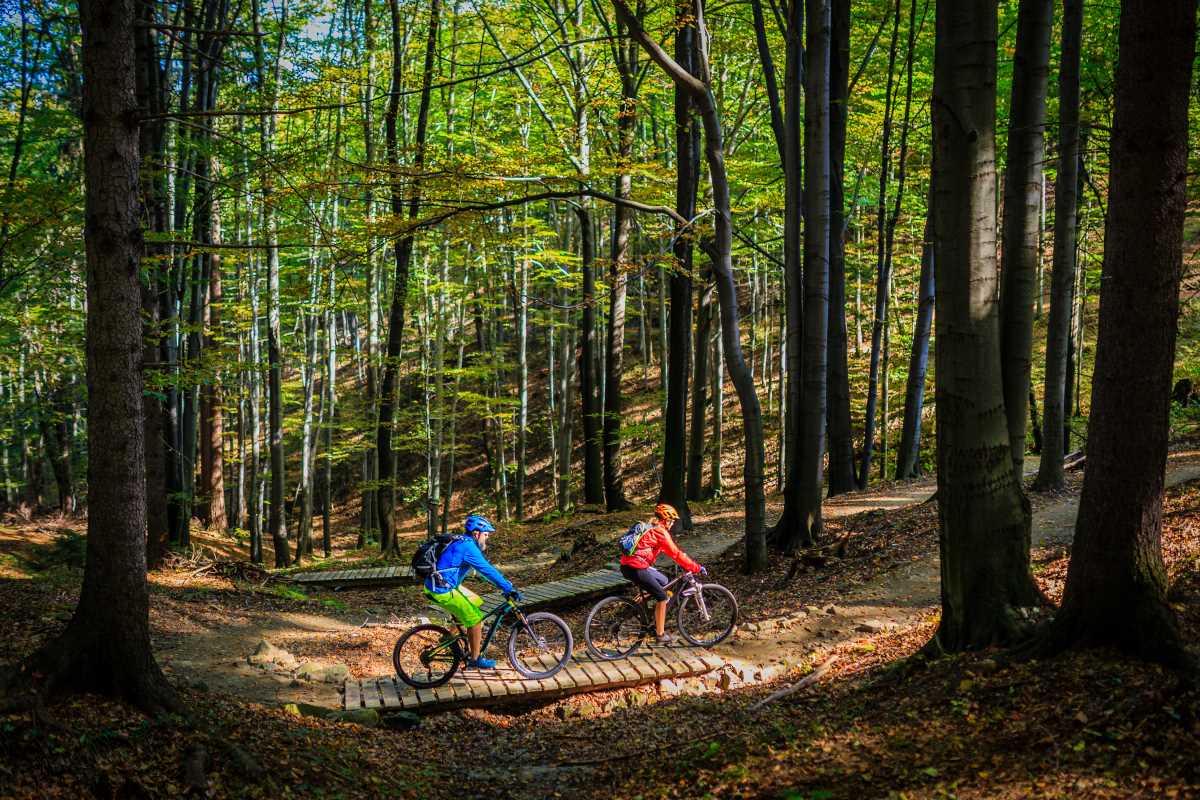
With about 73% of its land covered by mountains, Japan is a paradise for those who love adventure on two wheels. You’ll find everything from laid-back, scenic routes great for newcomers to steep descents that challenge seasoned riders. Unlike the lively bustle of Tokyo, these elevated regions offer a refreshing escape with clean air and breathtaking scenery. It’s a completely different vibe and opens up a side of the country you can’t easily experience elsewhere.
Popular Biking Destinations
You don’t need to search far for excellent places to ride; a handful of locations really shine for their accessibility and overall experience.
- Hakuba Valley: Located in the Northern Alps of Nagano Prefecture, Hakuba is famous for skiing in winter. In summer and fall, those ski slopes transform into world-class mountain biking trails. The Iwatake Mountain Bike Park is a favorite here. It offers flowy trails with panoramic views of the Alps. You can rent high-quality bikes right at the base, so you don’t need to haul your own gear across the ocean.
- Fujiten Resort: If you want to ride in the shadow of Japan’s most iconic peak, this is the place. Located near Lake Kawaguchiko, Fujiten offers downhill courses designed for various skill levels. Riding through the forest with glimpses of Mount Fuji is a bucket-list experience. The dirt here is volcanic, which provides excellent grip for your tires.
- Niseko, Hokkaido: Up north in Hokkaido, Niseko offers a different vibe with wider trails and cooler summer temperatures. The riding here is often less steep than the mainland, making it great for cross-country biking. You can pedal through lush green forests and open fields, enjoying the vast nature of Japan’s northern island.
What to Expect on the Trails
Trails across Japan are typically in excellent condition. You’ll often come across “flow trails,” which are smooth, winding routes with banked corners that emphasize speed and rhythm over technical difficulty. Natural paths might have roots and rocks, so it’s important to stay alert and keep your focus ahead.
Showing courtesy is an important part of life here, and you’ll notice it even when you’re out enjoying the trails. You’ll often come across hikers as you ride. The custom is simple: those on foot take priority. It’s good practice to slow down, offer a friendly "Konnichiwa" (hello), and give way. These small gestures help make the trails enjoyable and welcoming for everyone.
The Art of Relaxation: Onsen Culture
After hours of cycling through mountain terrain, your legs are bound to feel the strain. That’s when one of Japan’s best traditions comes into play: the onsen (natural hot spring). Rejuvenating in these mineral baths is an age-old custom, beloved for generations and deeply woven into daily life across the country.
Why Onsen are Special
An onsen is much more than just a hot soak. The water comes from underground volcanic springs and is rich in minerals such as sulfur, iron, and sodium. These elements are said to help ease sore muscles, melt away stress, and improve circulation. For those cycling through the mountains, it’s an ideal way to relax and recover naturally.
The atmosphere is just as memorable as the soothing soak itself. Many baths are rotenburo, meaning they’re out in the open. Picture yourself immersed in warm, mineral-rich water, while crisp mountain air whispers across your face and you gaze at forests or a blanket of stars above. It’s a peaceful experience that immerses you in nature in a way that feels far from an ordinary hotel bathroom.
Onsen Etiquette 101
For first-timers, stepping into an onsen might feel a little daunting because of the customs, but the basics are easy to pick up.
- Naked is the Norm: You cannot wear swimsuits in a traditional onsen. You must leave your clothes in the locker room. It might feel strange at first, but no one is staring. Everyone is there to relax.
- Wash First: Before you step into the bath, you must wash your body thoroughly at the shower stations provided. Use the stool to sit down while you scrub. The bath water is for soaking, not cleaning.
- Keep the Towel Dry: You will be given a small modesty towel. You can place this on your head or set it on the side of the bath, but do not dip it into the water.
- Tattoos: Traditionally, tattoos are associated with organized crime in Japan, and many public onsen ban them. However, in tourist-friendly areas like Hakuba or Niseko, rules are relaxing. Look for "tattoo-friendly" onsen or ask for a private bath (kashikiri) if you have ink.
A Toast to the Evening: Japanese Wine Tasting
While sake and whiskey are Japan’s most famous drinks, a growing number of local wineries are gaining international recognition. Among the standouts is Koshu, a white wine made from a grape variety cultivated here for centuries. It’s light and refreshing, with citrus notes that pair wonderfully with Japanese cuisine, making it a delightful discovery for anyone interested in the region’s flavors.
Yamanashi: The Wine Kingdom
Yamanashi Prefecture sits at the center of Japan’s wine country and is conveniently close to many prime cycling areas, including Fujiten. Most of Japan’s wineries are based here. Sheltered by surrounding mountains, the region’s mild, dry conditions are ideal for cultivating grapes and nurturing vineyards.
Exploring a winery in this region has a different feel than in places like Napa or Bordeaux. It's cozier and more personal. Many spots are family-run, giving you a chance to stroll beneath grape vines hanging from overhead trellises, a method designed to keep fruit dry through Japan’s humid seasons.
Tasting Experiences
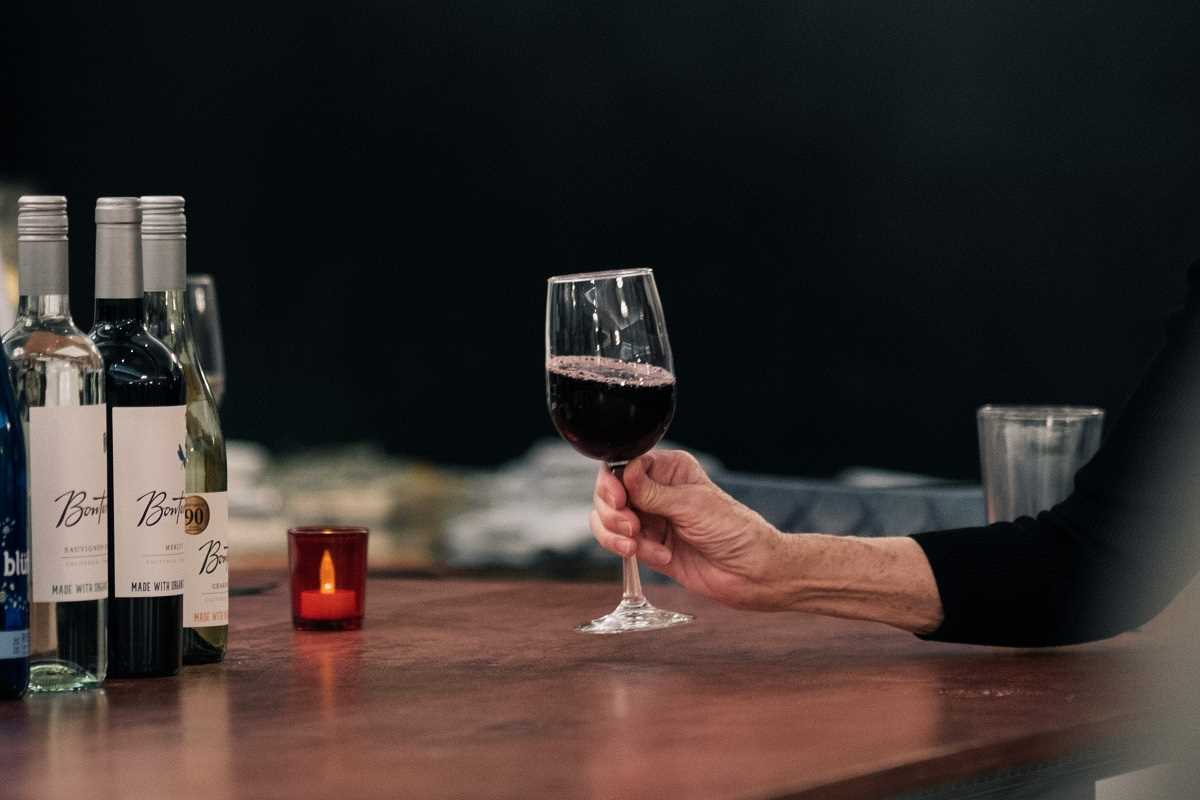
Evenings are ideal for unwinding with a tasting experience. After your time on the trails and a rejuvenating soak, make your way to a local wine bar or a cozy winery restaurant.
- Chateau Mercian: One of the oldest and most respected wineries in Japan. They offer tasting flights where you can compare different styles of Koshu wine, from sparkling to barrel-aged.
- Local Izakayas: You don't always need to go to a winery. Local pubs, or izakayas, in mountain towns often stock excellent local wines. Ask the staff for a recommendation. They love sharing their local pride.
Consider matching a chilled glass of white Koshu with dishes like tempura or freshly grilled river fish. The lively acidity balances richer flavors, bringing out the best in both. Every bite and sip offers a delicious sense of place.
Planning Your Trip
To turn this dream getaway into a reality, it’s important to have the details sorted out ahead of time. Here’s a quick guide to help you prepare.
Best Time to Visit
- Autumn (October - November): This is arguably the best time. The weather is cool and dry, perfect for biking. The leaves turn vibrant shades of red and orange, making the scenery breathtaking. Plus, it’s harvest season for wine!
- Spring (April - May): The cherry blossoms make for beautiful riding, though trails can be a bit muddy from the thaw.
- Summer (June - August): It can be hot and humid, but the mountains are cooler than the cities. Just be prepared for rain during the rainy season in June.
Essential Packing List
- Cycling Gear: Bring your helmet, gloves, and padded shorts. While you can rent bikes, personal gear fits best.
- Comfortable Clothing: Japan is stylish but practical. Bring layers for changing temperatures in the mountains.
- Slip-on Shoes: You will be taking your shoes on and off constantly at hotels, restaurants, and temples.
- Cash: While credit cards are accepted in cities, rural mountain towns often run on cash. Carry plenty of yen.
- Portable Wi-Fi: Renting a pocket Wi-Fi device at the airport is a lifesaver for navigating trails and translating menus.
Getting Around
Japan’s famous rail network is efficient, but it might not get you close to some of the outdoor locations described above. Renting a car is often the simplest way to reach these more remote areas. You’ll need an International Driving Permit, yet the roads are well-maintained and the rules easy to follow. Keep in mind that driving is on the left! If you’d rather not drive, many adventure tour companies offer convenient transfers from major train stations right to the start of your ride.
All articles published on FindMyResort are created for informational and editorial purposes only. Readers are encouraged to verify details directly with resorts, hotels, or official tourism sources before making travel decisions. FindMyResort is not affiliated with, endorsed by, or officially connected to any resort, hotel brand, or tourism authority unless explicitly stated.