 (Image via
Arizona may be best known for its iconic canyons, but there’s a whole other side to explore that promises adventure and excitement. There's nothing quite like climbing to the crest of a towering sand dune, feet strapped to your board, and carving your own path down its shimmering slope. As night falls, picture yourself stretched out beneath a canopy of glittering stars, brighter than you’ve ever seen before. This special mix of exhilarating downhill rides and peaceful skywatching offers a desert journey you won’t forget. It’s a chance to unplug from daily distractions and fully immerse yourself in the wonders of the natural landscape. Here’s everything you need to make your Arizona adventure truly unforgettable.
Surfing the Dunes: The Thrill of Sandboarding
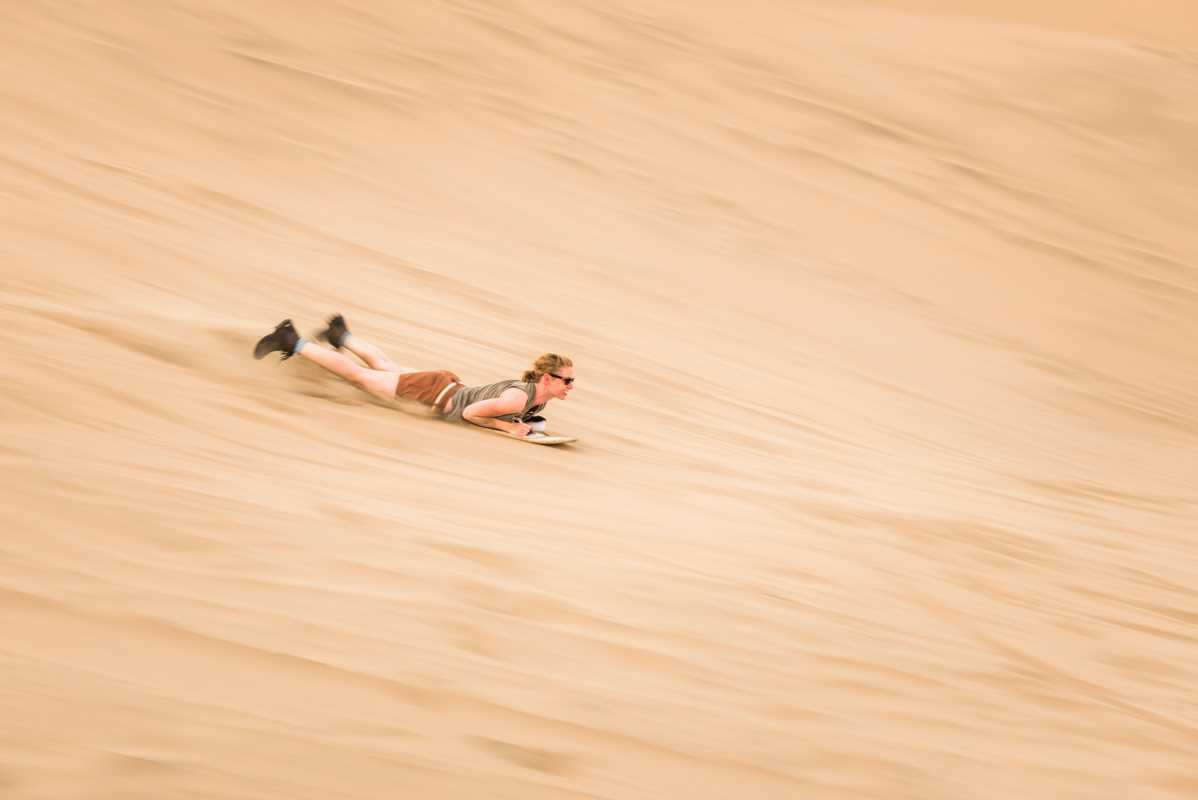
You might picture surfing as something reserved for the ocean, but Arizona’s sands offer a unique twist. With sandboarding, you glide down golden dunes on a board much like a snowboard, experiencing a fresh rush that’s welcoming to beginners and just as thrilling as winter sports. The open terrain makes this desert activity both approachable and exciting, adding a memorable spark to your adventure.
Where to Go: The Coral Pink Sand Dunes and Beyond
Some of the most impressive dunes near Arizona are found just over the border in Utah at Coral Pink Sand Dunes State Park, a top spot enjoyed by nearby residents. Still, Arizona itself offers plenty of action, with great riding to be found at the Ehrenberg Sandbowl and the sandy hills outside Yuma.
- Ehrenberg Sandbowl: Located near the California border, this area is a hidden gem for off-road enthusiasts and sandboarders. The dunes here are steep and provide a fast ride. It’s less crowded than major parks, meaning you often have the slopes to yourself.
- Imperial Sand Dunes (Glamis): While the main section is in California, the dune field extends near Yuma, Arizona. These are massive, rolling hills of sand that look like they belong in the Sahara. The "Imperial" dunes are famous for a reason. They offer some of the longest and highest rides available in the Southwest.
Gear Up: What You Need
You’ll want more than just a piece of cardboard or a winter snowboard. The sand’s rough texture means you need specially made equipment to pick up speed and glide smoothly.
- The Board: Sandboards have a harder base, often made of formica or similar laminate, designed to glide over sand grains without getting scratched up.
- Wax: This is the most critical component. You must apply a special sandboard wax to the base of your board before almost every run. Without it, you’ll stick to the sand and go nowhere.
- Bindings: Most boards come with bindings to strap your feet in, just like a snowboard. Some people prefer "sand sleds" where you can sit or lie down, which is great for kids or anyone not comfortable standing up.
Mastering the Technique
Getting started is easier than it looks. Place your dominant foot at the rear, balance your weight evenly or just slightly back to keep the tip lifted, and glide as the dune slopes away. Turning isn’t as sharp as on a snowboard; shift your hips and lean gently where you want to go. Falling isn’t a big deal when landing on soft grains feels more like a gentle spill. Just don’t be surprised if you’re still emptying sand from your pockets days later!
A Universe Unveiled: Stargazing in the Desert
When evening falls and the desert’s heat gives way to a gentle coolness, Arizona’s landscape begins to change. Far from the bright lights of major cities, the vast open sky comes alive, revealing the Milky Way in incredible clarity.
Why Arizona Skies Are Special
Arizona is celebrated for its incredible night sky views. Thanks to the desert’s dry climate, high-altitude regions, and strict efforts to limit artificial light, starwatchers flock here from around the world. In fact, Flagstaff earned recognition as the first ever "International Dark Sky City," a testament to the state’s commitment to preserving natural darkness. This means you can spot constellations and distant planets with just your eyes, no telescope needed.
Top Stargazing Locations
While you can enjoy skywatching almost anywhere in the open wilderness, some locations offer truly remarkable nighttime scenes.
- Grand Canyon National Park: The park is an International Dark Sky Park. On a clear night, the canyon walls disappear into the darkness, and the sky becomes the main attraction. Mather Point is a popular spot, but simply pulling off at a designated viewpoint along Desert View Drive can offer solitude.
- Sedona: Famous for its red rocks, Sedona is also a certified Dark Sky Community. Two Rivers Park and the Aerie Trailhead are excellent places to set up a telescope or just lay back on a blanket. The red rocks silhouetted against the starry sky create a dramatic scene.
- Lowell Observatory: Located in Flagstaff, this is where Pluto was discovered. They offer public viewing programs where you can look through massive telescopes and learn from professional astronomers. It adds an educational layer to the beauty.
What to Look For
Depending on the season, the stars above the desert treat you to a variety of celestial displays.
- The Milky Way: Best seen in the summer months, the core of our galaxy looks like a bright, cloudy band stretching across the sky.
- Planets: Jupiter and Saturn are often visible and look like very bright, unblinking stars. With a decent pair of binoculars, you might even see Jupiter’s moons.
- Meteor Showers: Plan your trip around major showers like the Perseids in August or the Geminids in December. The desert darkness makes every streak of light pop.
Planning Your Desert Adventure
Planning for a journey like this means thinking ahead a little more than you would for a typical getaway. While the desert’s scenery is truly rewarding, it can quickly become challenging if you’re not well prepared.
Timing Your Trip
For this dynamic adventure, the ideal seasons are spring (March–May) and fall (September–November). During summer, daytime highs regularly soar above 100°F (38°C), making climbing dunes risky and unpleasant. Winters can bring chilly nights, though the dry air often brings exceptionally clear skies perfect for night sky watching.
Try to schedule your visit during a "New Moon" period, when the lunar glow is at its faintest. With the moon absent from the night sky, you'll enjoy truly dark conditions, giving the stars a chance to shine their brightest for some spectacular nighttime viewing.
Essential Packing List
- Water, Water, Water: The dry air dehydrates you faster than you realize. Carry at least a gallon per person per day.
- Layers: Desert temperatures swing wildly. It might be 85°F during the day and drop to 45°F at night. Bring t-shirts for the dunes and a warm jacket for stargazing.
- Sun Protection: A wide-brimmed hat, sunglasses, and high SPF sunscreen are non-negotiable. The sun reflects off the sand, increasing your exposure.
- Closed-Toe Shoes: Sand can get hot, and you want to protect your feet while boarding. Hiking boots or sneakers are best.
- Red Light Flashlight: White light ruins your night vision, and it takes 20 minutes for your eyes to adjust back to the dark. Use a flashlight with a red mode for navigating during stargazing.
- Binoculars or Telescope: Even a basic pair of binoculars can enhance your view of the moon and star clusters.
Safety First
Always let someone know your planned route and expected return time. Coverage can be unreliable in secluded spots, so download any necessary maps before losing access to Wi-Fi. Stay alert for animals active at night, especially in warmer weather because scorpions and snakes may be around. Move carefully with your flashlight after dark and check your shoes in the morning for any unexpected guests.
Blending adrenaline-filled descents with serene evenings under the stars gives you the total range of Arizona’s desert magic. Spend your day racing down shimmering dunes, letting out whoops of excitement, and your night reflecting on infinite skies in perfect stillness. From rushes of laughter on sandy hills to moments of quiet wonder beneath a brilliant sky, this experience nourishes both your adventurous side and your sense of awe.
So, grab your sandboard, bundle up for the cool desert night, and make your way to the Southwest. Adventure awaits on every slope, and the sky above promises a breathtaking show just for you. Will you answer Arizona’s call?